
Kwale Men Urged to Speak Out on Mental Health and Domestic Abuse
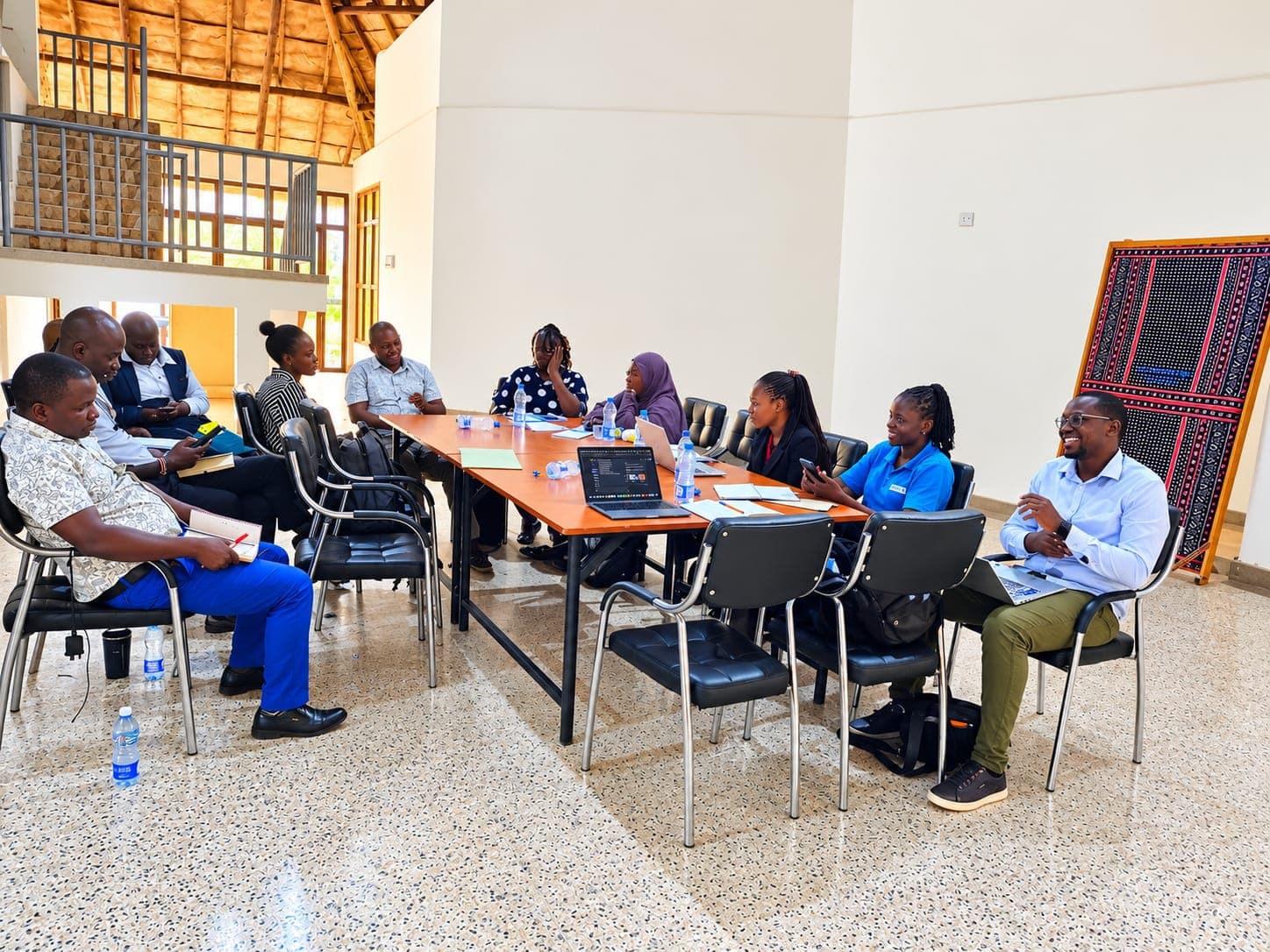
Stakeholders in Kwale County are calling on men to speak openly about mental health challenges, domestic abuse and economic pressures, as efforts gather pace to create safe spaces where they can seek support without fear of stigma.
The initiative comes ahead of International Men’s Day, marked annually on November 19, with the Kwale County Government planning to commemorate the day for the first time.
Speaking during a stakeholders’ planning meeting at the Kwale Cultural Centre, Stephen Mutua, a Business Relationship Officer at Hand in Hand Eastern Africa, said cultural expectations often discourage men from discussing their personal struggles.
“Through these platforms, men are able to open up and talk about the issues affecting them,” Mutua said.
He revealed that male engagement dialogues had exposed cases of men experiencing domestic abuse but remaining silent because of stigma and fear of judgment.
“When we talk about GBV, it is often associated with women alone. But we have encountered cases of men being abused at home,” he said.
Mutua called for stronger referral systems and functional gender desks at police stations to enable male survivors to report abuse and access appropriate support services.
He said his organisation works with government agencies and community leaders to help men understand their rights and challenge harmful cultural beliefs that discourage them from seeking assistance.
Mutua also challenged the perception that women’s empowerment threatens men’s position in the family, arguing that empowering both men and women can improve household decision-making and economic wellbeing.
He warned that negative attitudes towards women’s empowerment could discourage some parents from investing in their daughters’ education.
Meanwhile, Joseph Karinga, a member of the Kwale County Gender Technical Working Group, said the planned International Men’s Day celebrations would also focus on men’s mental health and the importance of seeking professional help.
Karinga observed that some men suppress emotional struggles or turn to alcohol instead of seeking appropriate support.
“Step number one is opening up, urging men to share their struggles with trusted friends and seek professional counselling when necessary,” he said.
He called for a shift in cultural beliefs that portray men who express vulnerability or seek help as weak, saying such attitudes can prevent them from addressing their challenges.
This year’s planned celebrations will be guided by the theme “The Future Is Everyone,” highlighting the importance of collective responsibility in addressing social challenges affecting men, women and families.
Stakeholders say involving men, women, government agencies and community organisations will be essential in preventing gender-based violence, improving mental health awareness and strengthening family relationships.
They hope the November 19 event will encourage more men to seek support, understand their rights and work alongside women to build safer and healthier communities.