
Sh44.6 BILLION IN SGR REVENUE LOCKED IN KCB ACCOUNTS AMID CHINA LOAN RESTRICTIONS
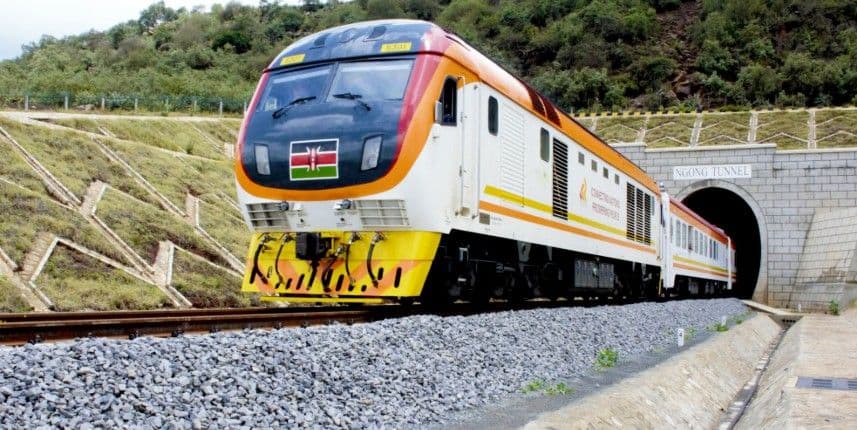
Kenya has Sh44.6 billion in revenue collected from passenger fares and freight services on the Standard Gauge Railway (SGR) locked in accounts at KCB Bank due to restrictions under its loan agreement with China, raising concerns over the management of railway revenues and public debt.
According to a report published by Business Daily on Monday, October 12, 2026, the funds, equivalent to approximately $344 million, are held in a joint account arrangement involving Kenya Railways Corporation (KRC) and the Export-Import Bank of China.
National Treasury Cabinet Secretary John Mbadi said the restrictions prevent the government from using the accumulated revenue to meet certain expenditures, including repayments on loans used to construct the railway.
The arrangement dates back to 2014, when Kenya entered into financing agreements with Chinese lenders to construct the railway line from Mombasa to Nairobi and subsequently extend it towards Naivasha.
Under the agreement, revenue generated from SGR operations is deposited into a special account at KCB Bank as security against potential loan repayment default.
Mbadi has criticised the arrangement, arguing that the restrictions limit Kenya's ability to use revenue generated by the railway to support its financial obligations.
 National Treasury Cabinet Secretary, John Mbadi | Photo: FB: John Mbadi
The Treasury has previously identified the escrow account arrangement as an obstacle to Kenya Railways reimbursing the government for funds advanced towards the railway's construction.
The restrictions have also contributed to the accumulation of outstanding obligations between the railway corporation and the National Treasury.
According to the Treasury's 2025/2026 Annual Debt Management Report, Kenya Railways' outstanding loan balance remained at Sh547.38 billion as of June 2026, accounting for approximately 53 per cent of the government's total on-lent loan portfolio of Sh1.145 trillion.
The Treasury has warned that the concentration of such a substantial amount of government lending in one state corporation presents a fiscal risk, particularly where repayment obligations remain unsettled.
Despite the restrictions affecting the use of SGR revenues, Mbadi maintained that the government continues to service the railway loans through the normal sovereign debt repayment process.
The government has expressed interest in renegotiating the account conditions to allow Kenya Railways to use its revenue more effectively to cover debt repayments, operating expenses and maintenance costs.
However, the Treasury has not publicly confirmed whether formal negotiations with Beijing have begun or provided a timeline for resolving the matter.
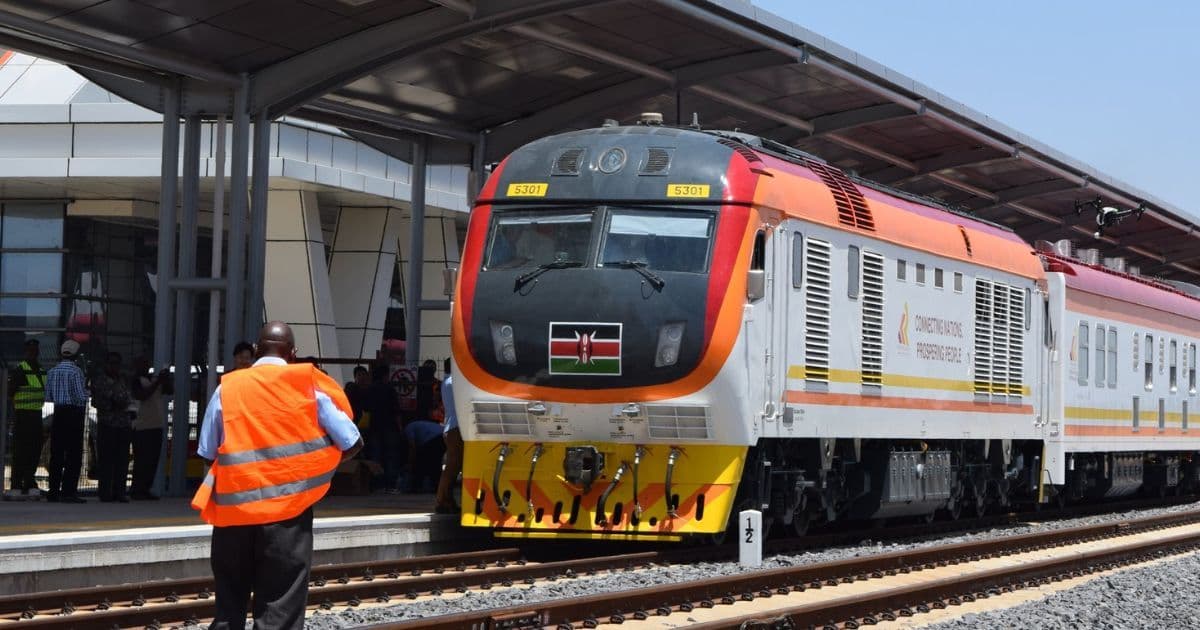
The development comes after Kenya restructured its SGR loans in 2025, converting dollar-denominated borrowing into Chinese yuan, extending repayment periods and securing additional grace periods.
The restructuring helped reduce Kenya's annual payments to Chinese lenders to Sh107.74 billion in the financial year ended June 2026, down from Sh129.35 billion in the previous financial year.
The revised arrangement also replaced floating interest rates linked to the US dollar with fixed rates denominated in Chinese yuan, reducing the government's exposure to fluctuations in international interest rates.
Mbadi previously estimated that the currency conversion would save the government approximately $215 million, equivalent to about Sh27.9 billion, annually.
Nevertheless, the restrictions on accumulated SGR revenue remain a challenge as the government seeks to improve the railway's financial position and reduce pressure on public finances.