
Paul Mackenzie Awaits Judgment Over Shakahola Massacre
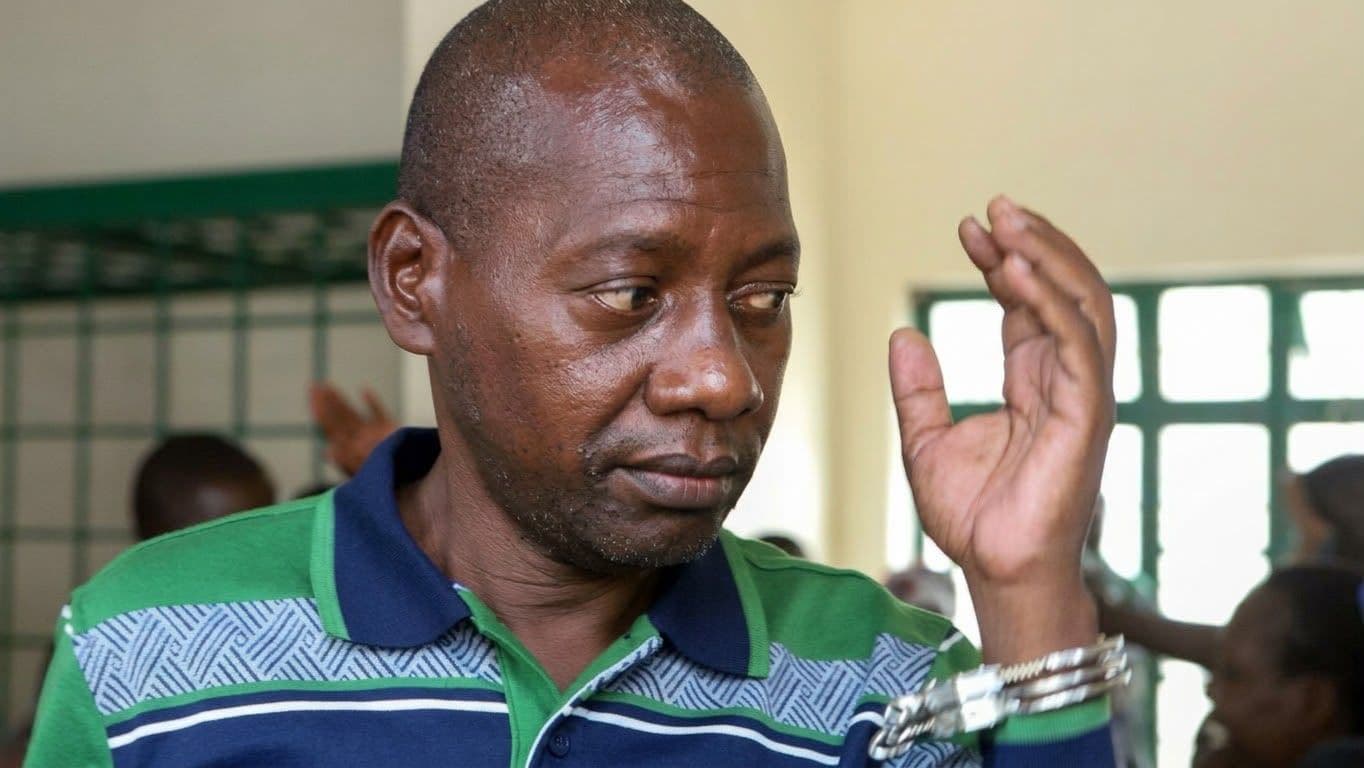
Controversial preacher Paul Nthenge Mackenzie is expected to learn his fate today as the High Court in Mombasa delivers judgment in the murder case linked to the Shakahola Forest deaths in Kilifi County.
High Court Judge Diana Kavedza-Mochache is expected to deliver the landmark ruling at 9:00 a.m., marking a significant stage in one of Kenya's most closely watched criminal cases.
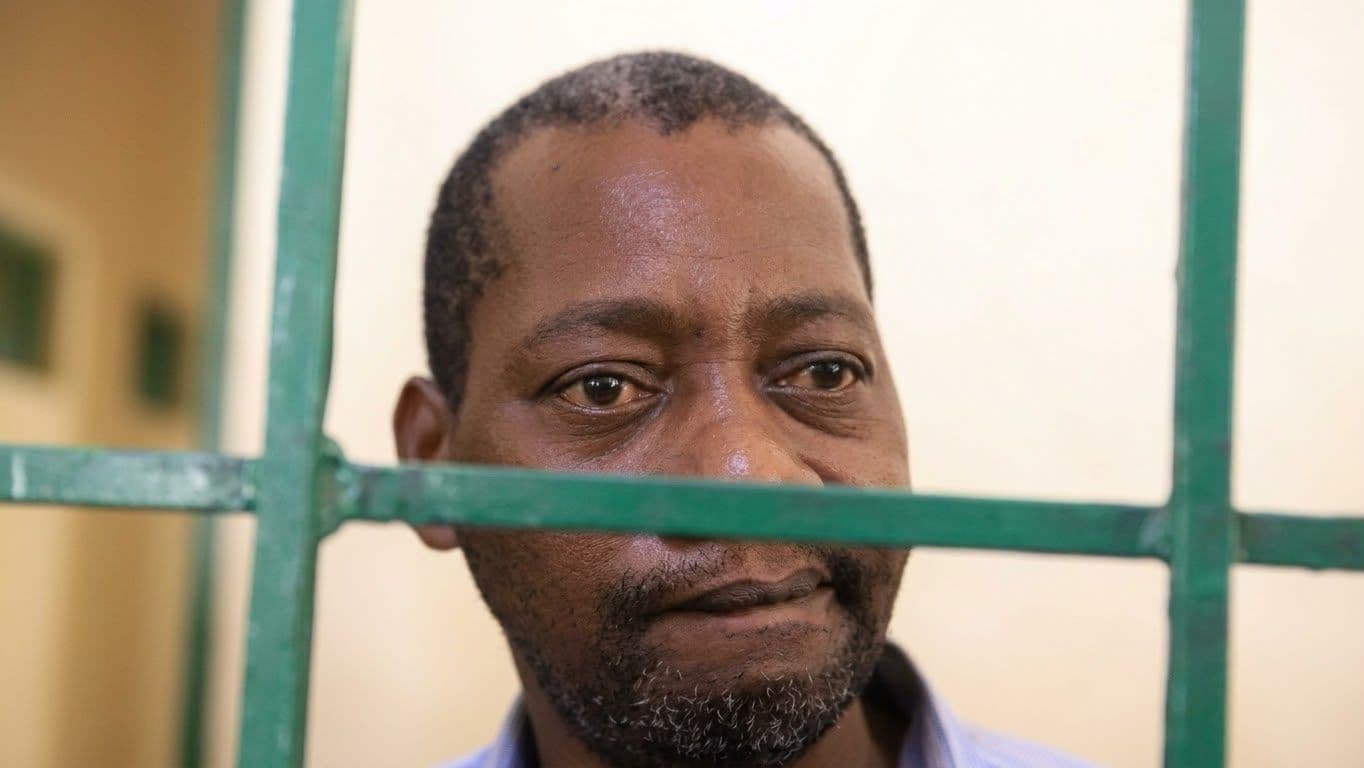
Mackenzie and 30 co-accused face 191 counts of murder relating to the deaths of children whose bodies were recovered from mass graves in Shakahola Forest.
The case has attracted national and international attention because of the scale of the tragedy and questions surrounding the alleged role of religious teachings in the deaths.
The Shakahola Tragedy
The case stems from the discovery of mass graves in Shakahola Forest, Kilifi County, in April 2023. The area was associated with Mackenzie's Good News International Church.
Investigations revealed allegations that followers had been encouraged to undertake prolonged fasting in preparation for what they believed would be their journey to meet Jesus Christ.
The discoveries prompted extensive search, rescue and exhumation operations involving police officers, forensic experts and other government agencies.
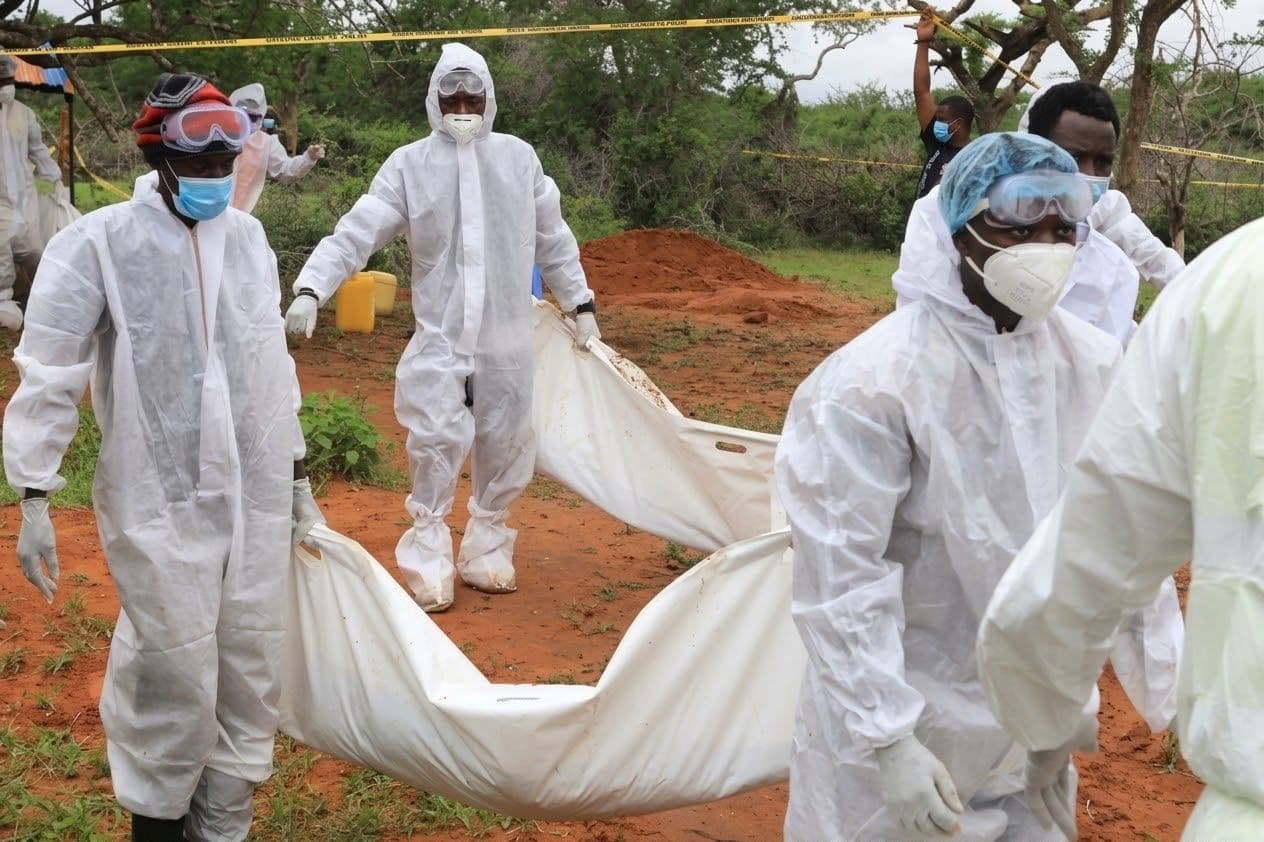
The Kenya National Commission on Human Rights documented 448 deaths in its report on the tragedy published in March 2024, highlighting the scale of the loss of life and concerns about the protection of vulnerable people.
The incident also raised questions about whether authorities could have intervened earlier to prevent further deaths.
Evidence Presented in Court
During the trial, the prosecution presented evidence from 121 witnesses, including survivors, relatives of victims, investigating officers and experts.
The evidence included postmortem reports, forensic findings and testimony concerning events within the settlement.
Prosecutors alleged that Mackenzie and his co-accused played different roles in activities connected to the deaths. Some accused persons were described as having served as guards, village elders, grave diggers and cooks.
The prosecution also relied on the principle of common intention, arguing that the accused acted together towards an unlawful purpose.
However, the court must determine the individual criminal responsibility of each accused person based on the evidence presented and the applicable law.
The charges remain allegations unless and until guilt is established by the court.
Court Ruled Accused Had a Case to Answer
On April 15, 2026, Justice Kavedza-Mochache ruled that the prosecution had established a prima facie case against the accused, requiring them to present their defences.
The ruling did not amount to a finding of guilt. Instead, it meant that the prosecution had presented sufficient evidence for the trial to proceed to the defence stage.
The court considered witness testimony, forensic evidence and other material presented during the proceedings before reaching that decision.
The expected judgment will determine whether the prosecution has proved the murder charges beyond reasonable doubt, the standard required for criminal convictions in Kenya.
What Happens Next?
The judgment is expected to provide a major development in the pursuit of justice for the victims and their families.
If the court finds any of the accused guilty, the legal consequences will be determined in accordance with the law. If the prosecution fails to prove a charge beyond reasonable doubt, the court must apply the relevant legal principles.
The case has also renewed public debate about religious freedom, the protection of children and the responsibility of authorities to respond to allegations of harmful practices.
For families who lost loved ones in Shakahola, the ruling represents an important step towards accountability, although wider questions surrounding the tragedy may require further investigation and legal proceedings.
As the court prepares to deliver its decision, attention remains focused on whether the prosecution has established the criminal responsibility of Mackenzie and his co-accused for the deaths covered by the charges.