
NCDS ACCOUNT FOR 43% OF DEATHS IN KENYA
Non-communicable diseases (NCDs) account for an estimated 43 per cent of deaths in Kenya, with more than half of hospital admissions linked to conditions such as cancer, diabetes, hypertension and cardiovascular diseases, according to the Ministry of Health.
The growing burden has renewed calls for increased government investment in prevention, early diagnosis and treatment, particularly at primary and lower-level health facilities where screening and early intervention can help prevent complications.
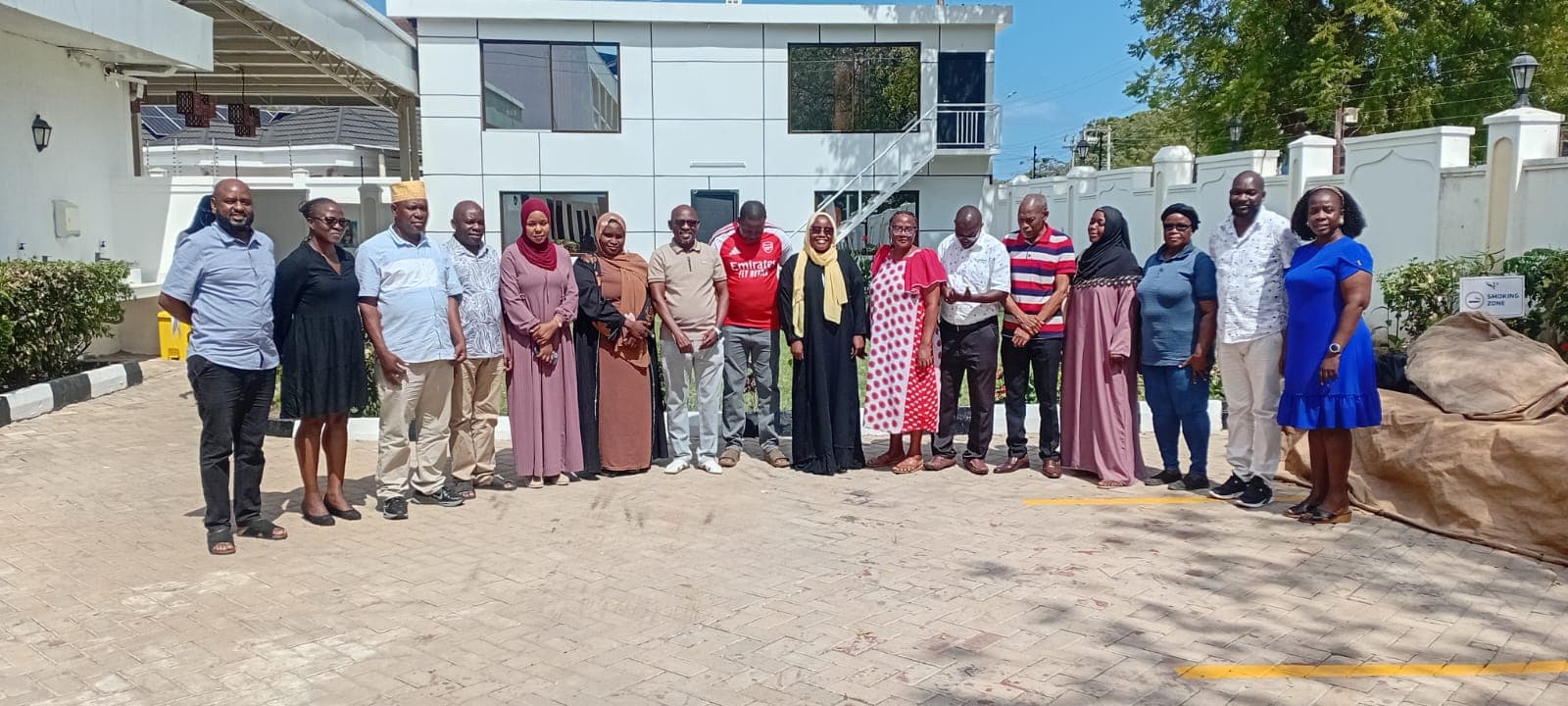
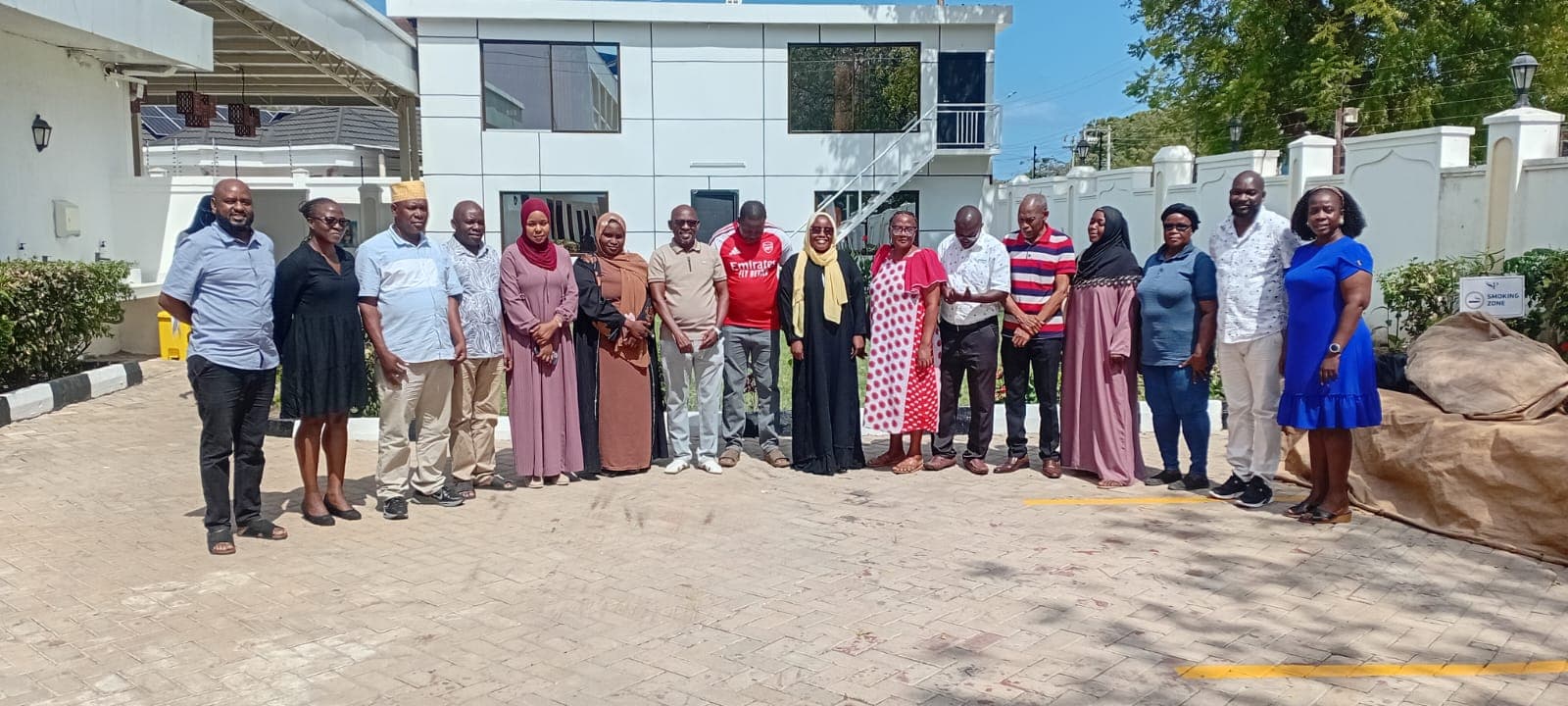
The concerns were raised during a meeting in Diani, Kwale County, that brought together members of the Kwale County Assembly Health and Budget Committees, NCD advocacy groups and representatives of NCD Alliance Kenya.
Participants called for increased allocation of resources to health facilities to enable them to respond to the rising number of people living with NCDs.
The Ministry of Health estimates that hypertension affects 23.8 per cent of Kenya's population, while about 821,500 people are living with diabetes.
However, an estimated 54 per cent of diabetes cases remain undiagnosed, raising concerns over delayed treatment and the risk of complications.
NCD Alliance Kenya official Gideon Ayodo said NCDs account for a significant proportion of admissions at higher-level health facilities, with about half of patients admitted to Level Four and Level Five hospitals and above estimated to be living with NCDs.
Ayodo called for greater investment in medicines, diagnostic equipment and screening services at lower-level facilities to improve early detection and treatment.
He said strengthening services at the grassroots level would also help reduce the pressure on referral hospitals as more Kenyans seek treatment for chronic conditions.
The meeting also highlighted the need for stronger prevention and awareness programmes to encourage Kenyans to undergo regular screening and seek medical attention before NCDs progress to advanced stages.
Health stakeholders say addressing the growing burden will require sustained investment across the health system, from community-level prevention and screening to diagnosis, treatment and referral services.
In Kwale, the burden is also becoming increasingly evident.
Dr Norine Zecha, who oversees the county’s NCD unit, said the county recorded approximately 8,000 new diabetes cases and 23,000 new hypertension cases during the 2025/2026 financial year.
She urged residents to undergo regular screening, noting that early detection can help patients begin treatment and manage the conditions before they develop into more serious complications.
Members of the Kwale County Assembly Health and Budget Committees said the Assembly will also focus on improving the availability of medicines and diagnostic services at grassroots health facilities.
They said some patients are forced to spend significant amounts of money travelling to neighbouring counties in search of treatment, adding to the financial burden associated with NCDs.