
KENYA’S EBOLA CASES RISE TO EIGHT AS HEALTH AUTHORITIES INTENSIFY CONTAINMENT EFFORTS
Kenya has confirmed eight cases of Ebola following the detection of another infection among people linked to the country’s first confirmed patient, as health authorities intensify efforts to contain the outbreak.
The latest case was confirmed on Sunday, October 18, involving a 49-year-old man who worked as a patient attendant responsible for cleaning utensils and linens. He developed a fever, headache and muscle pain before testing positive for the Bundibugyo strain of the Ebola virus.
According to health authorities, the man is believed to have contracted the virus through contact with the first patient, a 40-year-old Kenyan who had travelled from the Democratic Republic of Congo through Uganda before arriving in Nairobi on October 3.
The first patient died at a Nairobi hospital on October 5, prompting health officials to begin contact tracing and monitoring people who may have been exposed to the virus.
The latest infection brings Kenya’s confirmed cases to eight, including the initial patient who died. Three close relatives of the deceased and three health workers who attended to him have also tested positive.
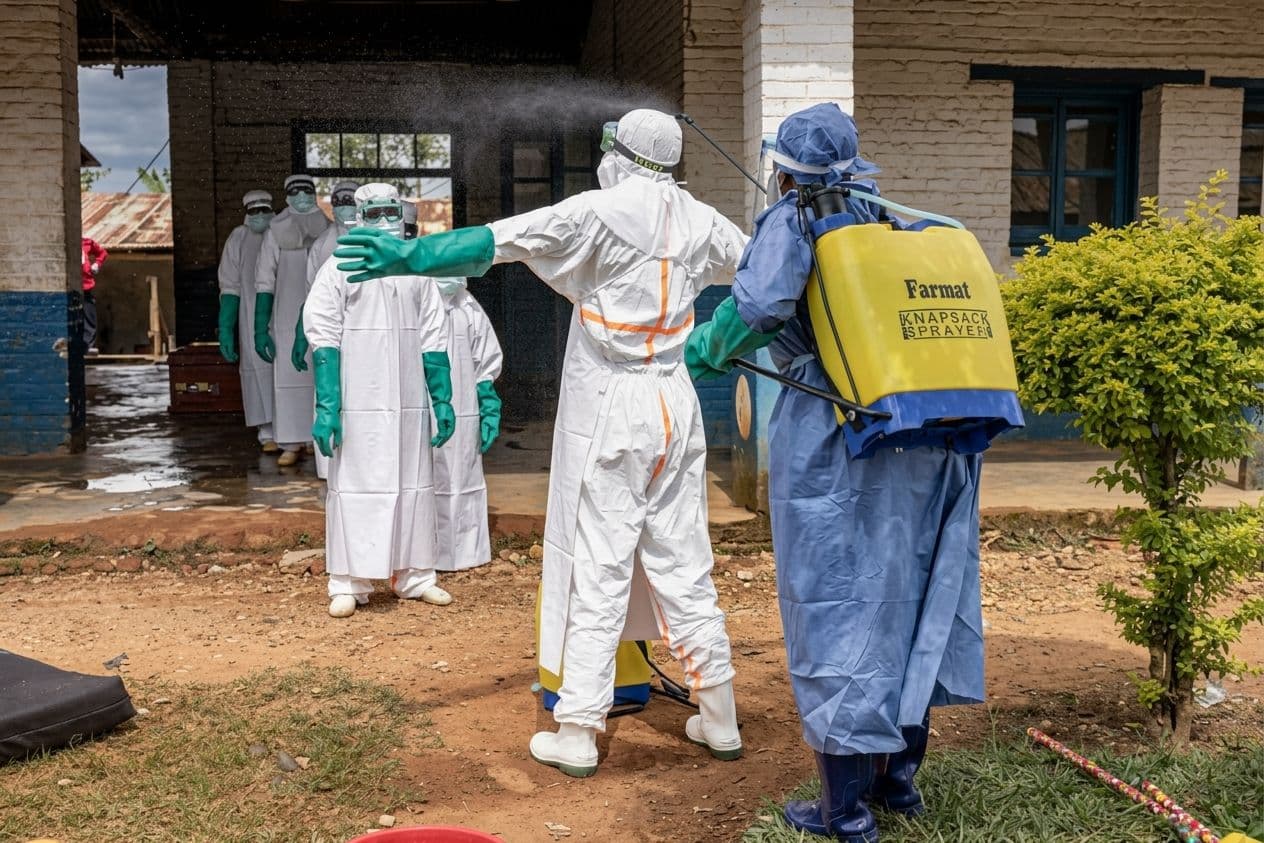
 Health workers and Kenya Red Cross personnel wear protective gear as they prepare to bury Kenya's first Ebola patient at Lang'ata Cemetery in Nairobi, Kenya, October 6, 2026.
128 CONTACTS UNDER QUARANTINE
Health authorities have identified 130 contacts linked to the initial case, with 128 placed under quarantine while efforts continue to account for the remaining two.
The Ministry of Health has also intensified surveillance, testing and screening measures to identify possible infections early and prevent further transmission.
The World Health Organization is supporting Kenya’s response through surveillance, laboratory testing, infection prevention, patient care and public awareness initiatives.
Despite the rising number of confirmed infections, authorities have reported no evidence of wider community transmission. However, further cases remain possible as people who were exposed to the virus continue to be monitored.
PUBLIC HEALTH PRECAUTIONS
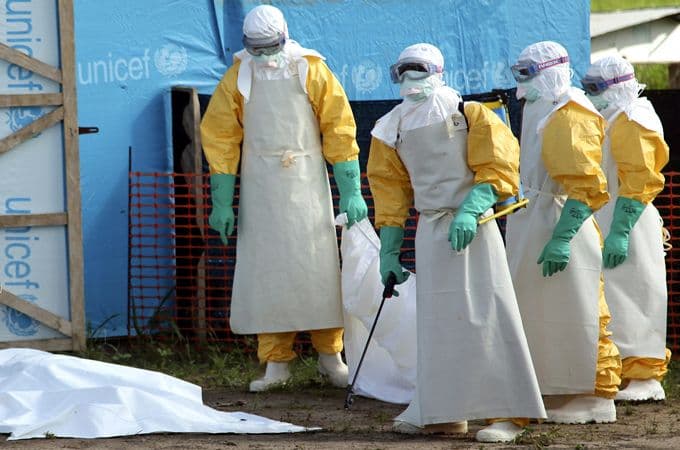
Ebola spreads through direct contact with the blood or other bodily fluids of an infected person, as well as contaminated materials such as clothing, bedding and medical equipment.
Members of the public are advised to avoid contact with suspected cases and to seek medical attention if they develop symptoms after a possible exposure.
The Bundibugyo strain currently affecting the region has no licensed vaccine or specific approved treatment, making early detection, isolation and supportive medical care critical to managing infections.
Kenya’s response comes amid a wider outbreak in the Democratic Republic of Congo, where thousands of cases and deaths have been reported since the outbreak began in May 2026.
Health authorities continue to monitor contacts and strengthen screening at points of entry as the country works to prevent further spread.