
Tana River Adds Three Rescue Boats Ahead of El Niño Rains
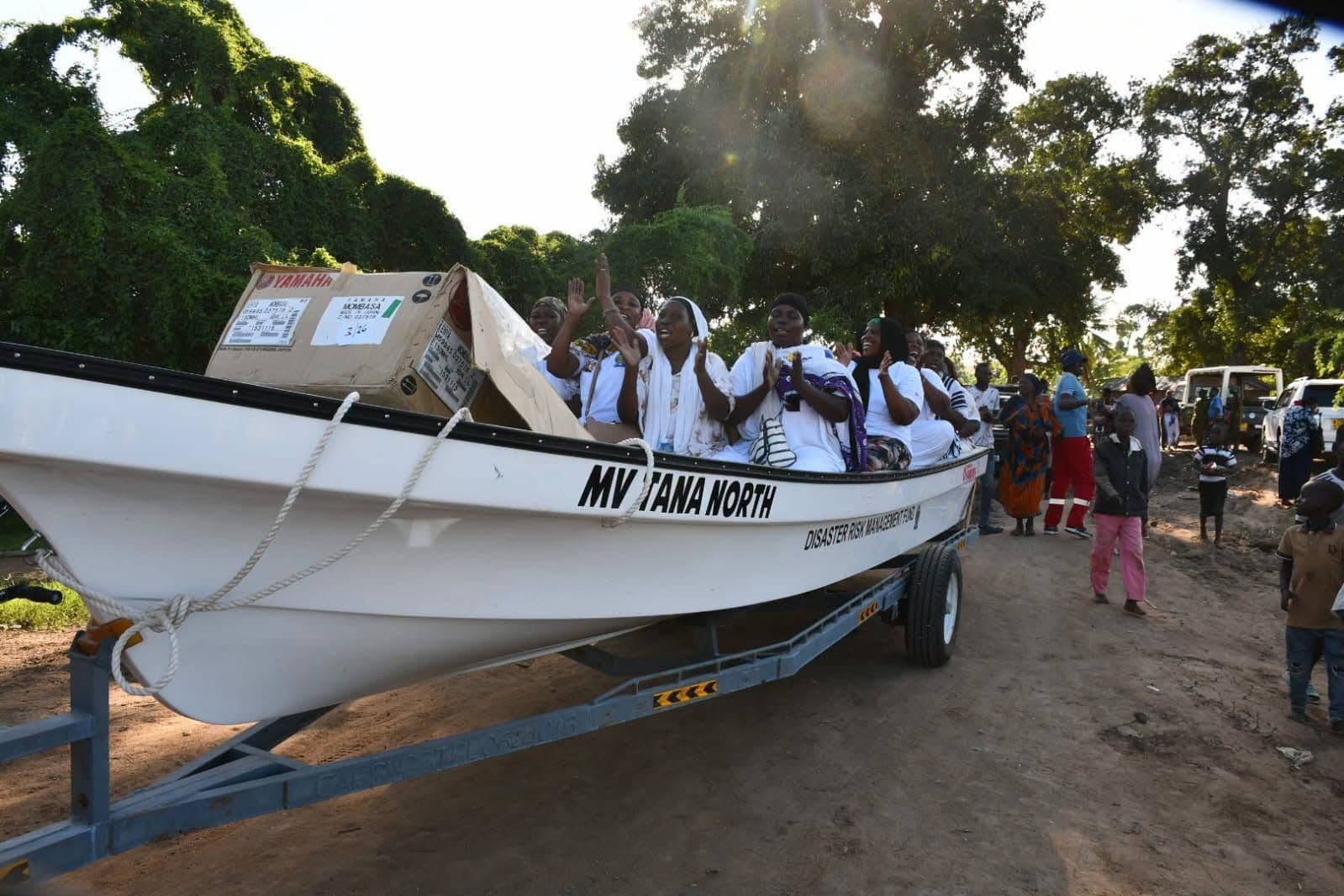
Tana River County has launched three new rescue boats as part of efforts to strengthen emergency response and protect communities ahead of the anticipated 2026 El Niño rains.
Governor Maj. (Rtd.) Dr. Dhadho Godhana officially launched the boats at Laza Miembeni in Hola, increasing the Department of Special Programs’ fleet to five boats.
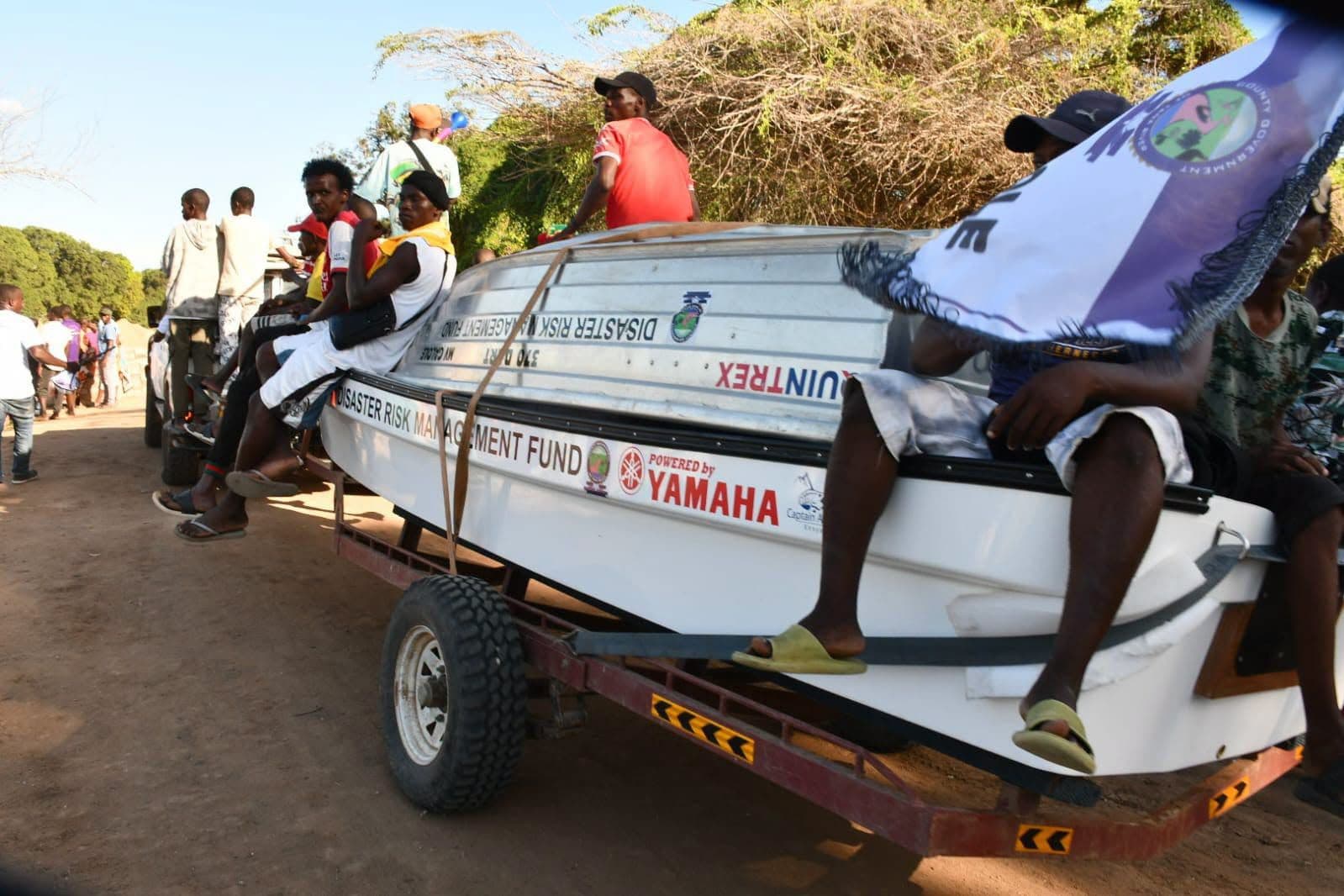
The vessels, named MV Tana North, MV Kinakomba and MV Galole, are expected to support search-and-rescue operations in flood-prone areas across the county.
 Tana River county Governor Maj. (Rtd.) Dr. Dhadho Godhana
According to the county’s preparedness plan, 19 boats will be deployed to support emergency operations from Kipini to Mbalambala, improving access to communities that may be cut off by floodwaters.
The county is also strengthening early warning communication and clearing drainage systems in Hola, Garsen, Bura and Madogo to reduce the risk of flooding.
Authorities are further planning support for vulnerable households across all 15 wards as part of broader preparations for the expected rains.
The county has an estimated KSh749.27 million El Niño contingency plan targeting potential risks affecting 32,917 households.
The plan covers several critical sectors, including search and rescue, healthcare, water and sanitation, shelter, agriculture and livestock.
Tana River is among the counties considered vulnerable to flooding because of its location along the Tana River basin. Heavy rainfall can cause river levels to rise, inundating settlements, damaging farms and disrupting transport and access to essential services.
In July, the county government announced that it was activating contingency measures and coordinating departments and humanitarian agencies to prepare for the anticipated rains.
The latest measures are intended to strengthen the county’s capacity to respond to emergencies and reach communities affected by flooding.
As the rainy season approaches, the effectiveness of the preparations will depend on timely warnings, coordinated emergency operations and the ability to reach households in high-risk areas.