
IEBC TURNS TO NATIONAL ID DATA TO MEET 6.3 MILLION VOTER TARGET
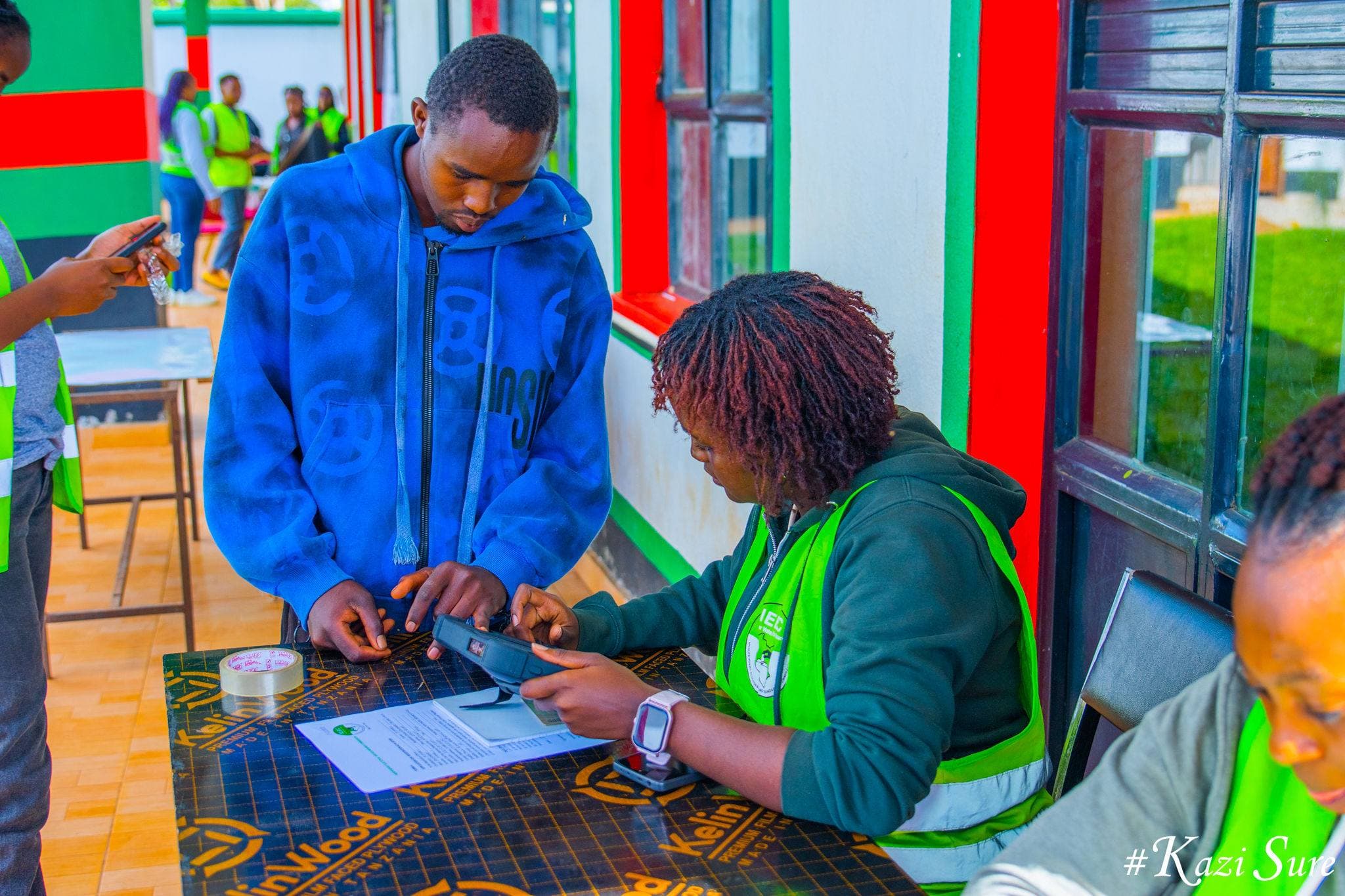
The Independent Electoral and Boundaries Commission (IEBC) has shifted its approach to setting voter registration targets, turning to data from the National Registration Bureau (NRB) and immigration services as it works to register 6.3 million additional voters ahead of the 2027 General Election.
IEBC Commissioner Anne Nderitu said the commission is moving away from relying primarily on census-based estimates, which have previously been used to calculate the number of people expected to reach voting age.
The new approach focuses on the Voter Eligible Population (VEP); citizens who possess or have applied for the documents required for voter registration, including national identity cards and valid Kenyan passports.
According to the IEBC, the change is intended to produce more precise registration targets by using actual records from population agencies rather than broader population estimates.
IEBC targeting 6.3 million new voters
The commission's target is to register 6.3 million new voters before the 2027 General Election.
If achieved, the number of registered voters would rise from about 22.1 million in 2022 to approximately 28.4 million for the 2027 election.
The IEBC's Election Operation Plan for 2025–2027 identifies continuous voter registration and enhanced continuous voter registration as key components of its strategy. The commission says the enhanced exercise is particularly aimed at reaching young people, marginalised populations and Kenyans living outside the country.
The commission has already reported significant progress. In its April 2026 update, IEBC said 2,612,725 new voters had been registered through continuous and enhanced continuous voter registration exercises.
 IEBC Finance Committee
Registration to continue at constituency and ward level
IEBC says registration will continue through its 290 constituency offices, while enhanced registration drives will also be conducted at ward level.
The commission is also considering registration through Huduma Centres and institutions of higher learning, alongside measures targeting Kenyan citizens living outside the country.
The strategy is intended to make voter registration more accessible, particularly for young Kenyans and people who may not routinely visit IEBC constituency offices.
The commission has also deployed additional voter registration kits to its constituency offices and says registered voters can use the offices to update or correct their particulars and transfer their registration.
Why the new approach matters
Under the previous census-based model, voter registration targets were estimated using the Voting Age Population, which calculates the number of people expected to be at least 18 years old by election time.
The IEBC says this approach can include people who are not legally eligible to register as voters, including non-citizens and people without the required registration documents.
The new Voter Eligible Population model instead draws on records from the National Registration Bureau and immigration authorities, allowing the commission to focus on citizens with the necessary identification documents.
With the 2027 General Election scheduled for August 10, 2027, the expansion and verification of the voter register remain key preparations for the polls.